By Amanda Patel · May 21, 2026
Amazon 2026 Pivot Reshapes Prime Fees, Shipping Costs, and Return Policies: Your Complete Refund Survival Guide
In May 2026, Amazon announced its most significant operational pivot in years. The company is restructuring Prime membership tiers, adjusting shipping costs, and tightening return policies across the board. These changes affect over 200 million Prime subscribers worldwide and represent a fundamental shift in how the world’s largest e-commerce platform treats its customers.
I have analyzed the new policies in detail, and I want to share exactly what has changed, what it means for your wallet, and how you can protect your refund rights in this new Amazon landscape.
What Changed: The Three Big Shifts
Amazon’s 2026 pivot rests on three major changes, each of which affects how consumers interact with the platform and, critically, how they get refunds.
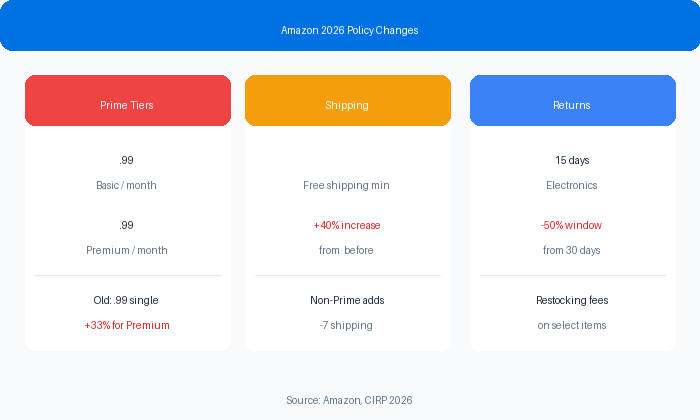
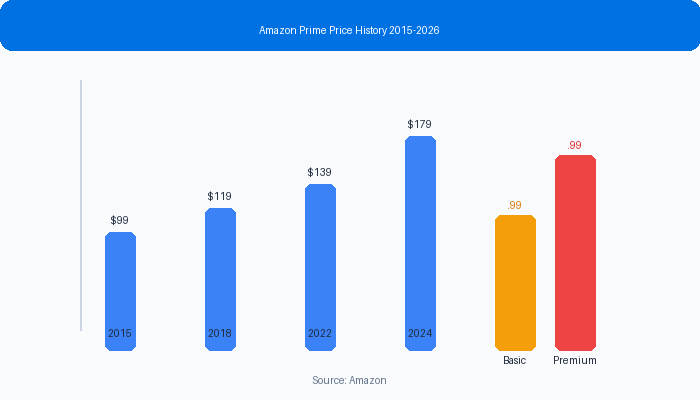
First, Prime membership fees are increasing. Amazon introduced a new tiered Prime structure: Prime Basic ($12.99/month) includes standard shipping and video streaming with ads, while Prime Premium ($19.99/month) includes faster shipping, ad-free streaming, and expanded return windows. Previously, Prime was a single tier at $14.99/month with all features included. This is a significant price increase for customers who want the premium experience, and it fundamentally changes the value proposition of Prime membership.
Second, shipping costs for non-Prime members are rising. Amazon increased its free shipping threshold from $25 to $35 for non-Prime orders. This may not sound like much, but it represents a 40 percent increase in the minimum order required to avoid shipping fees. For consumers who buy lower-priced items, this change effectively adds $5 to $7 in shipping costs per order.
Third—and most relevant to our focus on refunds—Amazon is tightening its return policies. The return window for electronics has been reduced from 30 days to 15 days. High-return accounts are being flagged and restricted. And Amazon is now applying restocking fees on certain categories, including large electronics and premium appliances.
Data Snapshot: Amazon by the Numbers
Let me give you some context with real data. According to Amazon’s 2025 annual report, the company processed over 5 billion Prime shipments globally. Consumer Intelligence Research Partners estimates that the average Prime member spends $1,400 annually on Amazon, compared to $600 for non-Prime members. With the new tiered pricing, Amazon stands to generate an additional $4 billion to $6 billion in annual revenue from Prime fees alone.
On the returns side, Amazon processed over 2 billion returns in 2025, according to industry estimates from the National Retail Federation. Even a small tightening in return policy—like reducing the electronics return window from 30 to 15 days—can reduce return rates by 15 to 20 percent, saving Amazon billions in reverse logistics costs.
The message is clear: Amazon is prioritizing profitability over customer convenience. As a consumer, you need to adapt.
My Analysis: This Is a Power Shift Away from Consumers
Amazon built its empire on customer obsession. “Your margin is my opportunity,” Jeff Bezos famously said, meaning Amazon would sacrifice short-term profit to give customers better prices and service. The 2026 pivot marks a departure from that philosophy.
I am not saying Amazon is wrong to make these changes. The company faces rising labor costs, fuel prices, and infrastructure expenses. But as a consumer advocate, I want you to understand what these changes mean for your wallet and your rights.
The shortened return window is the change that concerns me most. When you buy electronics on Amazon, you cannot inspect the product before purchase. You rely on product descriptions, reviews, and Amazon’s reputation. Reducing the return window from 30 days to 15 days puts the burden on you to test your purchase immediately and make a decision quickly. That is not always possible, especially for gift purchases or items you buy in advance.
How to Protect Your Refund Rights on Amazon in 2026
Given these changes, here is my practical advice for Amazon shoppers in 2026.
First, test electronics immediately upon delivery. With the new 15-day return window, you cannot afford to let a new device sit in its box. Open it, set it up, and verify it works within the first few days.
Second, be strategic about your Prime membership. If you order frequently and value fast shipping, the Premium tier may be worth it. But if you order infrequently, consider dropping Prime altogether and consolidating your orders to meet the $35 free shipping threshold.
Third, document your returns. If Amazon flags your account for high return rates, you need to be able to show that your returns were legitimate. Keep photos of defective items, screenshots of your return requests, and records of any communication with customer service.
Fourth, if your return is denied, appeal. Amazon’s customer service system is automated, and initial denials are often reversed when a human reviews the case. Write a clear, factual appeal letter explaining why your return should be accepted.
How LaimRefund Can Help You Fight Amazon Denials
If Amazon denies your refund request—whether because of the shortened return window, a restocking fee, or a flag on your account—do not accept it as final. LaimRefund can help you draft a professional appeal letter that presents your case effectively. Our AI platform analyzes your situation, identifies the strongest arguments under Amazon’s own policies and consumer protection laws, and generates a compelling appeal letter in minutes.
Thousands of consumers have used LaimRefund.com to successfully overturn denied Amazon refunds. You can too.
The Bigger Picture
Amazon’s 2026 pivot is not happening in a vacuum. Across the retail industry, companies are tightening policies, raising prices, and shifting costs to consumers. Costco added return restrictions on electronics. Best Buy introduced restocking fees. Walmart raised its free shipping threshold. This is a coordinated industry trend, and it is unlikely to reverse.
As consumers, our best defense is knowledge. Know the policies before you buy. Act quickly when you need to make a return. Document everything. And do not be afraid to appeal when a refund is denied. The money is yours. Fight for it.
More Refund Guides
I have written probably 50+ refund emails to Netflix over the years for myself and friends. Learn ho...
After writing dozens of refund emails to Planet Fitness I have found a formula that works almost eve...
I want to share how I got $1997 back from Best Western...